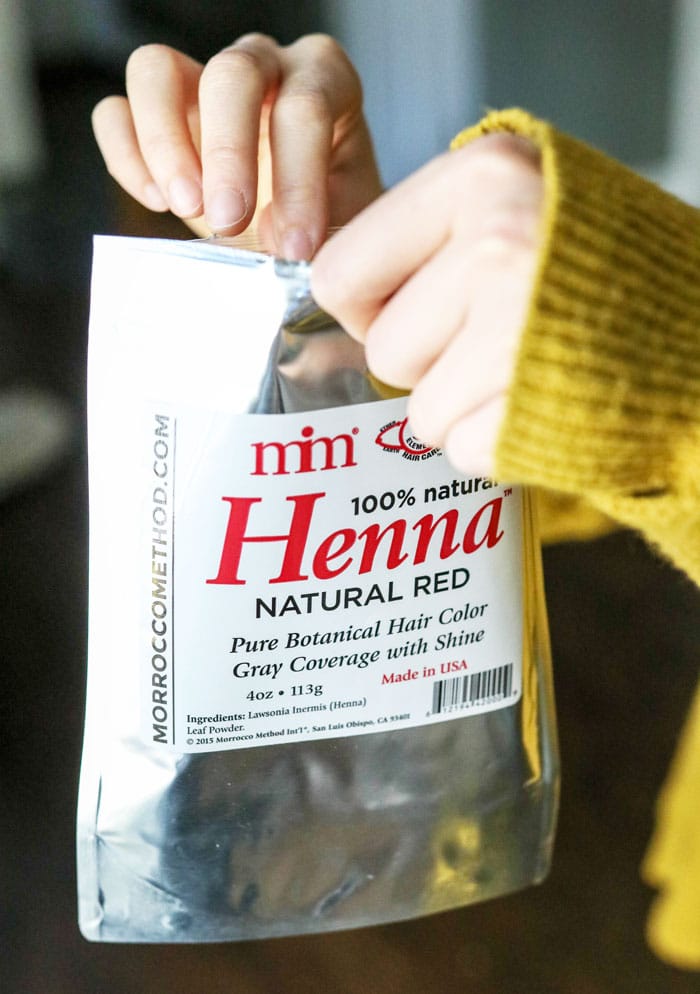
Henna Hair Dye: Your Must-Know Guide Before You Apply It
In a world increasingly turning towards natural, chemical-free alternatives, henna hair dye has emerged as a beloved choice for those seeking vibrant color and healthier hair. Far from just a trendy option, pure henna offers a unique blend of ancient tradition and modern appeal, promising to nourish your strands while imparting a beautiful, lasting hue. However, like any powerful beauty ritual, embarking on your henna journey without proper preparation can lead to unexpected results. Many, including seasoned beauty enthusiasts, have learned the hard way that henna requires a different approach than conventional salon dyes.
Before you dive headfirst into your first application, it's crucial to equip yourself with the right knowledge. This guide will walk you through the
6 things you should know before using henna hair dye, drawing on real-world experiences and expert insights to ensure your transition to natural hair coloring is as smooth and satisfying as possible. Our goal is to empower you to make informed decisions, avoid common pitfalls, and achieve the stunning, healthy hair you're dreaming of.
Embracing Nature: The Benefits of Henna for Your Hair
One of the primary reasons people switch to henna is its reputation for being a natural hair tonic. Unlike synthetic chemical dyes that often strip your hair of its natural oils and can cause damage over time, pure henna works in harmony with your hair's structure, offering a multitude of benefits.
Deep Conditioning from Root to Tip
Is henna good for your hair? Absolutely. Henna is widely celebrated as an excellent natural conditioner. The lawsone molecule, responsible for henna's distinctive color, binds directly to the keratin in your hair shaft, creating a protective layer. This process doesn't just deposit color; it also strengthens the hair, making it feel thicker and appear shinier. With regular use, many users report a noticeable improvement in hair texture, reduced breakage, and an overall healthier look and feel. Think of it as a natural armor that fortifies each strand from within.
The pH Balancing Act
Beyond its conditioning properties, henna is believed to help restore the natural pH balance of your hair and scalp. A balanced scalp environment is crucial for healthy hair growth, preventing issues like excessive oiliness or dryness. By promoting this equilibrium, henna can contribute to a healthier foundation for your hair, potentially soothing irritation and creating an optimal environment for robust strands. This holistic approach to hair care is a significant draw for those looking to move away from harsh chemical treatments.
The Permanent Commitment: What to Expect from Henna Color
Understanding the permanence and how henna interacts with your existing hair color is perhaps the most critical aspect of your pre-application research. Henna isn't a temporary flirtation; it's a long-term relationship with your hair.
A Dye That Stays for Good
Let's be unequivocally clear: henna is a permanent hair dye. While the initial vibrant intensity might mellow over the first 4 to 6 weeks, the color, particularly the reddish undertones, truly never completely washes out. The lawsone molecule forms a strong, enduring bond with your hair's keratin, making it incredibly difficult to lift or remove entirely. This permanence means any decision to use henna requires careful consideration of its long-term impact on your hair. If you're someone who loves to frequently change their hair color, especially going lighter, henna might present a significant challenge.
The deep penetration and bonding of henna can make it almost impossible to achieve lighter shades later on, as the existing henna pigment would first need to be removed – a process that's notoriously difficult and can lead to unpredictable results, like unwanted greenish or orange tones if bleaching is attempted. For a deeper dive into this commitment, consider reading our article:
Considering Henna? Understand Its Permanent Impact on Your Hair.
Understanding Your Final Hue
Unlike chemical dyes that lift your natural pigment and then deposit a new, uniform color, henna is translucent. It coats the hair shaft, allowing your underlying hair color to show through, albeit with a new, vibrant tint. This means that henna will not necessarily even out your hair color in the way a chemical dye might. If you have roots, highlights, or varying shades in your hair before application, you will likely still see those variations after, but with a beautiful reddish overlay.
For instance, if you have blonde highlights, they might turn a fiery orange or coppery red, while darker sections could acquire a rich auburn glow. Gray hairs, a common concern for many, will often take on a bright, almost neon orange or vivid red hue, standing out against darker hair. Achieving a darker, more uniform color on grays usually requires a multi-step process involving henna followed by indigo. This unique interaction means embracing a multi-tonal, dimensional result is key to loving your henna-dyed hair.
Navigating Future Color Changes
The challenge of changing your hair color after using henna extends beyond just lightening. The most significant concern arises when certain brands of henna dye contain metallic salts. These "compound hennas" or "black hennas" can react catastrophically with the peroxide found in chemical hair dyes, leading to extreme heat, smoke, and severe hair damage or melting. It is absolutely vital to always check the ingredients list and ensure you are using pure *Lawsonia inermis* if you ever anticipate using chemical dyes in the future.
Even with pure henna, however, the strong bond it forms with your hair means chemical dyes may not take evenly, or the resulting color could be unexpected. Always inform your professional stylist if you have used henna, and insist on a strand test before any chemical treatment. This precaution can save your hair from potential disaster. For a closer look at the nuances of henna application and its color outcomes, explore
The Truth About Henna Hair Dye: Mess, Time, and Uneven Color.
The Henna Application Journey: Mess, Time, and Technique
Preparing for your first henna application is not just about understanding the color; it's also about preparing for the process itself. It's a ritual that demands a bit of patience and a willingness to get a little messy.
Preparing for the Henna Experience
Let's not sugarcoat it: henna is messy to apply, and it can stain your skin, clothes, and bathroom surfaces. When mixed, henna has a consistency akin to thick mud – often gritty and somewhat challenging to spread evenly. Drips are almost inevitable, making preparation paramount.
To minimize the clean-up:
* **Designate a Workspace:** Ideally, apply henna in your bathroom, perhaps standing in a dry shower stall or over a large spread of old newspapers or towels. This makes rinsing away any accidental spills much easier.
* **Protect Your Skin:** Before you even open the henna, apply a thick balm or cream (like petroleum jelly) along your hairline, ears, and neck. This barrier will prevent the dye from staining your skin.
* **Wear Old Clothes and Gloves:** Don an old t-shirt you don't mind getting stained, and always wear gloves to protect your hands.
* **Immediate Clean-up:** Keep a damp cloth handy to wipe away any drips on your skin or surfaces immediately.
Mastering the Application Process
While the mud-like texture can feel awkward, applying henna correctly is crucial for even color. Section your hair, starting from the roots and working your way down to the tips, ensuring thorough saturation. Some find it easier to apply with their hands (gloved, of course), working the paste into each section. Others prefer a non-metallic spatula or applicator brush. Once your hair is fully coated, gather it into a bun on top of your head.
The Waiting Game: How Long to Develop
Henna is not a quick fix; it demands patience. Depending on the vibrancy and depth of color you desire, henna can take anywhere from 1 to 6 hours to develop. This extended processing time allows the lawsone dye molecule to fully bind to your hair's keratin, resulting in a richer, more lasting color.
To maximize effectiveness and prevent drips while you wait, cover your henna-coated hair with a shower cap or cling film, then wrap it with an old towel to keep it warm. Heat helps accelerate the dye release and binding process. Use this time wisely – read a book, catch up on chores, or simply relax. While some find their patience wanes after a couple of hours and still achieve good results, waiting longer typically yields a deeper, more intense color. Plan your day accordingly, as this is a commitment to both your hair and your schedule.
Conclusion
Choosing to dye your hair with henna is a significant step towards a more natural and nourishing hair care routine. It's an embrace of tradition, health, and a unique, vibrant aesthetic. However, as we've explored, understanding the
6 things you should know before using henna hair dye is not just recommended, it's essential. From its permanent nature and potential for uneven color to the messy application and lengthy development time, each aspect plays a crucial role in managing your expectations and ensuring a successful, satisfying experience. By arming yourself with this comprehensive knowledge, you're not just applying a dye; you're engaging in a mindful ritual that promises not only beautiful color but also stronger, shinier, and healthier hair. Approach your henna journey with patience, preparation, and an open mind, and you'll unlock the transformative power of this ancient botanical wonder.