Considering Henna? Understand Its Permanent Impact on Your Hair
Thinking about ditching conventional chemical dyes for a natural hair color solution? Henna often emerges as a popular, seemingly gentle alternative. Touted for its conditioning properties and vibrant hues, pure henna offers an ancient, plant-based way to transform your locks. However, before you embark on your henna journey, it's crucial to understand that this natural dye is a significant commitment. Many eager users, ourselves included, have learned the hard way that a lack of research can lead to unexpected results and regret. To ensure you make an informed decision, here are 6 things you should know before using henna hair dye.The Allure of Henna: A Natural Path to Hair Health?
One of the primary reasons people turn to henna is its reputation as a hair conditioner and fortifier. Unlike synthetic dyes that use harsh chemicals like ammonia and peroxide to open the hair cuticle and alter its structure, pure henna works differently. The lawsone molecule in henna binds to the keratin in your hair, creating a protective layer that can significantly improve its overall health and appearance.Here’s how henna can benefit your hair:
- Strengthens Strands: By coating the hair shaft, henna can add a layer of protection, making your hair feel stronger and less prone to breakage.
- Adds Volume and Shine: The coating action also contributes to thicker-feeling hair and imparts a beautiful, natural shine that many synthetic dyes struggle to achieve without additional products.
- Restores pH Balance: Henna may help restore the natural pH balance of your scalp and hair, which can be disrupted by environmental factors or harsh styling products, potentially leading to a healthier scalp environment.
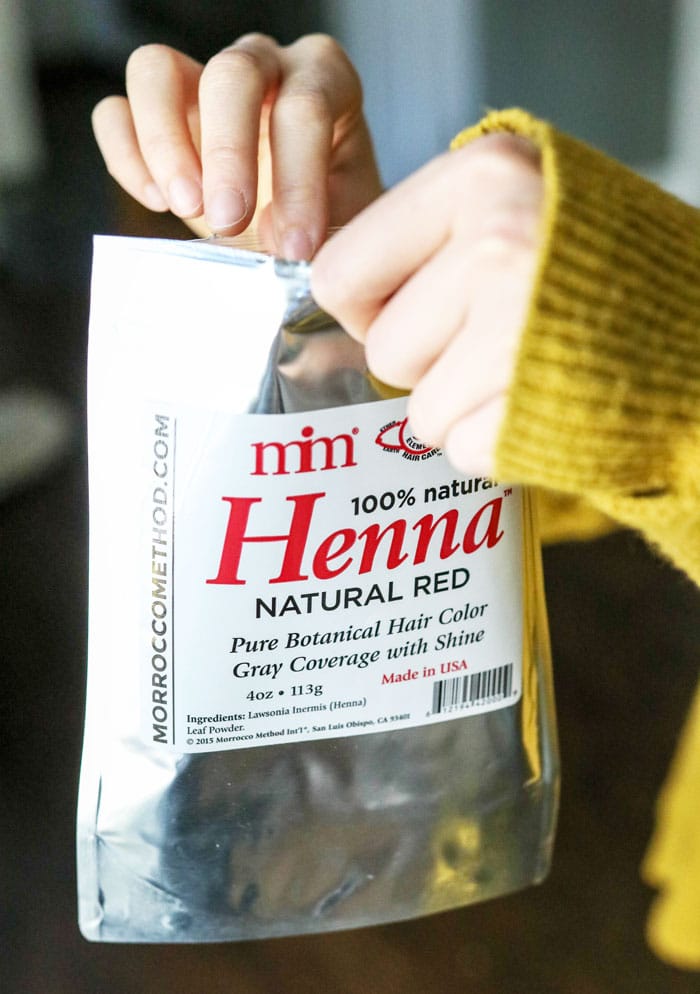
While these benefits are compelling, remember that we're talking about pure, unadulterated henna. Some commercial "henna" products may contain metallic salts or other additives, which can negate these benefits and even cause adverse reactions. Always check the ingredient list for Lawsonia inermis and avoid anything with mysterious "natural ingredients" or "metallic salts."
Understanding Henna's Permanent Nature and Color Impact
Perhaps the most critical piece of information to grasp about henna is its permanence. Henna is not a semi-permanent or demi-permanent dye that washes out over time. It is a permanent hair dye, and this fact carries significant implications for your future hair choices.A Lasting Impression:
- Deeply Penetrating Pigment: The color molecules from henna bind strongly to the keratin in your hair, effectively becoming part of its structure. While the initial vibrancy is most noticeable for the first 4 to 6 weeks, the color, in our experience, never truly disappears entirely. It may subtly fade or shift, but the underlying pigment remains.
- Difficulty Going Lighter: This permanence makes it incredibly challenging, if not impossible, to lighten your hair after using henna. Traditional bleaching agents struggle to lift henna pigment, often resulting in unpredictable and undesirable shades, such as orange or green. If you're someone who likes to experiment with lighter shades or highlights, henna might limit your options for a considerable period, potentially until the henna-dyed hair grows out or is cut.
Uneven Color Results on Pre-Existing Hair Tones:
Another common misconception is that henna will create a uniform color across your entire head, especially if you have varying shades due to roots, highlights, or previous dyes. In reality, henna interacts with your existing hair color rather than covering it completely like an opaque paint. If you have roots, highlights, or areas of different porosity, you can expect the henna to deposit color differently on those sections. For instance, lighter areas (like bleached highlights) will often absorb the color more intensely, resulting in a more vibrant red or auburn, while darker roots may show a subtle sheen or only a slight tint.
While henna can effectively cover gray hair, it's not a simple one-step process. Gray hair, lacking pigment, will often pick up a brighter, more fiery red hue compared to pigmented hair. Achieving a blended, natural look on grays may require a two-step process, often involving indigo for darker shades, or multiple applications to build up color. It’s crucial to understand that henna accentuates the natural variations in your hair, rather than homogenizing them.
Navigating the Application Process: Mess, Time, and Prep
The journey to henna-dyed hair is rarely a quick or tidy one. Unlike salon visits where professionals handle the intricacies, applying henna at home requires patience, preparation, and a tolerance for mess.Embrace the Mud: Messy Application:
When mixed with water or other liquids, pure henna powder transforms into a paste with a consistency akin to mud. This can be awkward to apply, especially for first-timers. Dripping is almost inevitable, and the strong pigment means those drips can leave lasting stains on skin, surfaces, and clothing.
Practical Tips for a Tidy Application:
- Work in the Bathroom: Ideally, stand in a dry shower or tub so any splatters can be easily rinsed away. Cover surrounding surfaces with old towels or newspaper.
- Protect Your Skin: Before starting, apply a thick balm, Vaseline, or heavy cream around your hairline, ears, and neck. This creates a barrier that prevents the henna from staining your skin. Wear old clothes you don't mind getting stained.
- Gloves Are Essential: Always wear gloves to protect your hands, as henna will stain skin deeply.
The Waiting Game: Long Processing Time:
Achieving vibrant henna color isn't an instant gratification process. Depending on the desired intensity and your hair type, henna needs time to develop – anywhere from 1 to 6 hours. This means spending a significant portion of your day with your scalp wrapped in a shower cap or plastic wrap. The cap helps to keep the dye warm, which aids in color development, and also prevents drips, allowing you to move around your house. While some can endure the full 6 hours for maximum color, even a 2-hour application can yield excellent results, especially if your patience wears thin.
Make the Wait Productive or Pleasurable:
- Catch up on a book or podcast.
- Do some light chores around the house.
- Watch a movie or a few episodes of your favorite show.
Think of it as a forced period of relaxation – a small price to pay for natural, vibrant hair.
The Long-Term Commitment: Chemical Dyeing After Henna
This is perhaps one of the most crucial warnings for anyone considering henna: once you’ve dyed your hair with pure henna, changing your mind and returning to chemical dyes or perms can be extremely problematic.The Chemical Clash:
The primary concern arises if the henna product you've used contains metallic salts. While pure henna (Lawsonia inermis) is generally safe to use before or after chemical treatments, some cheaper or pre-mixed henna products are adulterated with metallic salts (e.g., lead acetate, silver nitrate, copper, iron). These metallic salts can react catastrophically with the chemicals found in traditional hair dyes, perms, and relaxers. The interaction can lead to:
- Unpredictable Color: Hair turning green, blue, or other undesirable shades.
- Severe Hair Damage: Excessive heat during chemical processing can cause the hair to become gummy, brittle, or even break off.
Always perform a strand test and meticulously check the ingredient list of any henna product you use. Opt for 100% pure henna to minimize these risks, but even then, inform your stylist if you've used henna, as its coating properties can still affect how chemical dyes penetrate and develop.
If you've used henna, and wish to switch back to chemical dyes, be prepared for a waiting period. The safest approach is to let the henna grow out and cut off the dyed sections, or consult with a highly experienced stylist who understands the complexities of working with henna-treated hair. This long-term commitment is why understanding its permanent impact is paramount.
