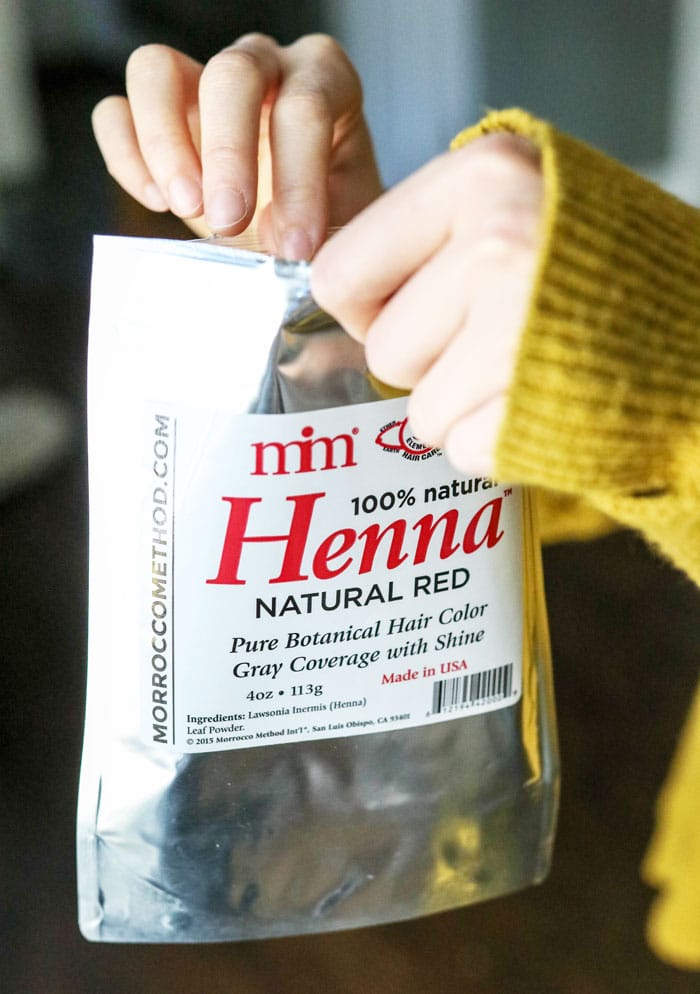
The Truth About Henna Hair Dye: Mess, Time, and Uneven Color
In the quest for natural beauty, many individuals turn to alternative solutions for hair care, and few are as compelling as henna hair dye. Promising vibrant color without harsh chemicals, it's often hailed as the ultimate natural alternative to traditional salon dyes. However, like any significant change to your beauty routine, an informed approach is essential. Diving into henna without understanding its unique characteristics can lead to unexpected results and even regret.
Before you commit to this ancient botanical dye, it's crucial to understand what you're getting into. We've distilled the essential insights into 6 things you should know before using henna hair dye, ensuring your journey to naturally colored hair is as smooth and satisfying as possible.
Henna's Dual Nature: A Conditioning Powerhouse with Permanent Implications
Is Henna Good For Your Hair? The Conditioning Benefits
One of the most appealing aspects of pure henna (Lawsonia inermis) is its reputation as a hair treatment. Far beyond just coloring, henna is revered for its conditioning properties. When applied, the natural dye molecule, lawsone, binds to the keratin in your hair strands. This process can:
- Strengthen and Thicken: By coating the hair shaft, henna can make individual strands feel thicker and more resilient, potentially reducing breakage.
- Enhance Shine: The smoothed cuticle layer reflects light more effectively, giving your hair a natural, healthy sheen.
- Restore pH Balance: Some users report that henna helps balance the pH of their scalp, which can alleviate issues like oiliness or dryness over time.
It's important to distinguish pure, natural henna from "black henna" or "compound hennas," which often contain metallic salts or harmful chemicals like PPD (paraphenylenediamine). Always opt for 100% pure henna powder to reap the genuine benefits and avoid potential allergic reactions or adverse interactions with future chemical treatments.
How Long Does Henna Stay in Your Hair? Understanding its Permanent Bond
Unlike semi-permanent dyes that gradually wash out, henna forms a permanent bond with your hair's keratin. The color is most vibrant for the first 4 to 6 weeks, gradually mellowing over time. However, it never truly "goes away" completely. Instead, it fades subtly, often leaving a warm undertone that remains visible in your hair.
This permanence has significant implications: if you later wish to lighten your hair, add highlights, or drastically change your color, you will face considerable challenges. Henna is notoriously difficult to lift or remove from the hair, as the lawsone molecule is deeply embedded. Professional stylists often describe it as an almost impossible task without causing significant damage. This means once you go henna, you're on a long-term commitment. For a deeper dive into henna's lasting effects, read our article: Considering Henna? Understand Its Permanent Impact on Your Hair.
The Practicalities of Henna Application: Expect Mess and a Time Commitment
It's Messy to Apply & Can Stain Your Skin
Prepare for a hands-on experience that can be, to put it mildly, messy. Henna powder, when mixed with water or other liquids, takes on a consistency akin to thick mud. Applying this earthy paste evenly through your hair can be a somewhat awkward and drippy affair, especially for first-timers.
To mitigate the mess and prevent unwanted staining:
- Designate a Space: Work in a bathroom, ideally standing in a dry shower or over a protected floor (old towels, newspaper). This allows for easy clean-up of drips.
- Protect Your Skin: Henna will stain anything it touches, including your skin. Apply a thick layer of barrier cream (like Vaseline or a rich moisturizer) around your hairline, ears, and neck. Wear old clothes you don't mind getting stained and use gloves.
- Immediate Cleanup: If henna drips onto your skin or surfaces, wipe it off immediately before it has a chance to set.
Embrace the process; a little preparation goes a long way in making the application less stressful.
Henna Hair Dye Can Take a Long Time to Set
Patience is a virtue when it comes to henna. Achieving the desired vibrancy typically requires the dye to sit on your hair for an extended period – anywhere from 1 to 6 hours, depending on the intensity you seek and your hair's natural porosity. This isn't a quick 30-minute job!
While the henna develops, wrapping your hair in a shower cap or plastic wrap helps keep it warm (enhancing dye release) and prevents drips. You can move around your house, but be prepared for a substantial chunk of your day to be dedicated to this process. Many users find 2-3 hours sufficient for good color development, but individual results vary. Consider it an opportunity for some dedicated self-care time, a good book, or catching up on your favorite show.
Understanding Henna's Color Dynamics: Unevenness and Future Styling Challenges
Henna Will Not Necessarily Even-Out Your Hair Color
One common misconception is that henna will create a uniform, single-toned color across your entire head, especially if you have pre-existing color variations. The reality is that henna acts as a transparent glaze, layering color rather than stripping existing pigment. This means:
- Roots and Highlights Remain: If you start with roots, highlights, or areas of varied porosity, you will likely finish with them. Henna will deposit color differently on these varied surfaces. For example, lighter sections will often pick up a brighter, more pronounced red or orange hue, while darker areas will take on a reddish tint.
- Gray Hair Coverage: Henna effectively covers gray hair, but it often colors them a vibrant orange, copper, or bright red, creating natural-looking highlights that contrast with your darker strands. If you desire a darker, more uniform gray coverage, a two-step process involving henna followed by indigo is often required.
It's vital to adjust your expectations. Instead of a monolithic color, anticipate a multi-dimensional result that celebrates your hair's natural variations. For a predictable outcome, always perform a strand test on shed hair before full application.
It Can be Difficult to Change Your Hair Color AFTER Using Henna
Due to its permanent nature and how it binds to keratin, changing your hair color after using henna is significantly more complex than with chemical dyes. This is particularly true if you used a henna product containing metallic salts.
- Metallic Salts: The Red Flag: Some commercially available "henna" products are not pure and contain metallic salts (such as lead acetate, silver nitrate, copper, or bismuth). These can react catastrophically with chemical hair dyes and perms, leading to unpredictable color (like green or purple), severe hair damage, or even hair breakage. Always read ingredient labels carefully and choose 100% pure Lawsonia inermis.
- Pure Henna Still Poses Challenges: Even pure henna can make subsequent chemical dyeing difficult. Lightening processes (bleach, high-lift dyes) struggle to penetrate and lift the henna pigment, often resulting in patchy, uneven, or unintended reddish-orange tones. Professionals usually advise growing out henna or gradually transitioning color over many months.
If you're considering henna, be aware of its long-term commitment. Always communicate your henna history to any stylist before receiving chemical services. For a comprehensive guide on preparation and application, refer to our article: Henna Hair Dye: Your Must-Know Guide Before You Apply It.
Conclusion
Henna hair dye offers a beautiful, natural alternative for coloring and conditioning your hair, promising strength, shine, and a chemical-free experience. However, it's not a quick fix or a one-size-fits-all solution. Understanding its permanent nature, the time and mess involved in application, and its unique way of interacting with your hair's existing color are paramount. By being fully informed about these 6 things you should know before using henna hair dye, you can set realistic expectations, prepare adequately, and ultimately achieve a result that you'll love. Embrace the journey with an open mind, and you might just discover your perfect, naturally vibrant hair.
